

January restart cut checks
When a plasma cutter has stood idle through the December break, the first job in January is not to rush back into production. A quick restart check helps us catch worn consumables, trapped moisture and setup issues before they turn into rough cuts and wasted plate.
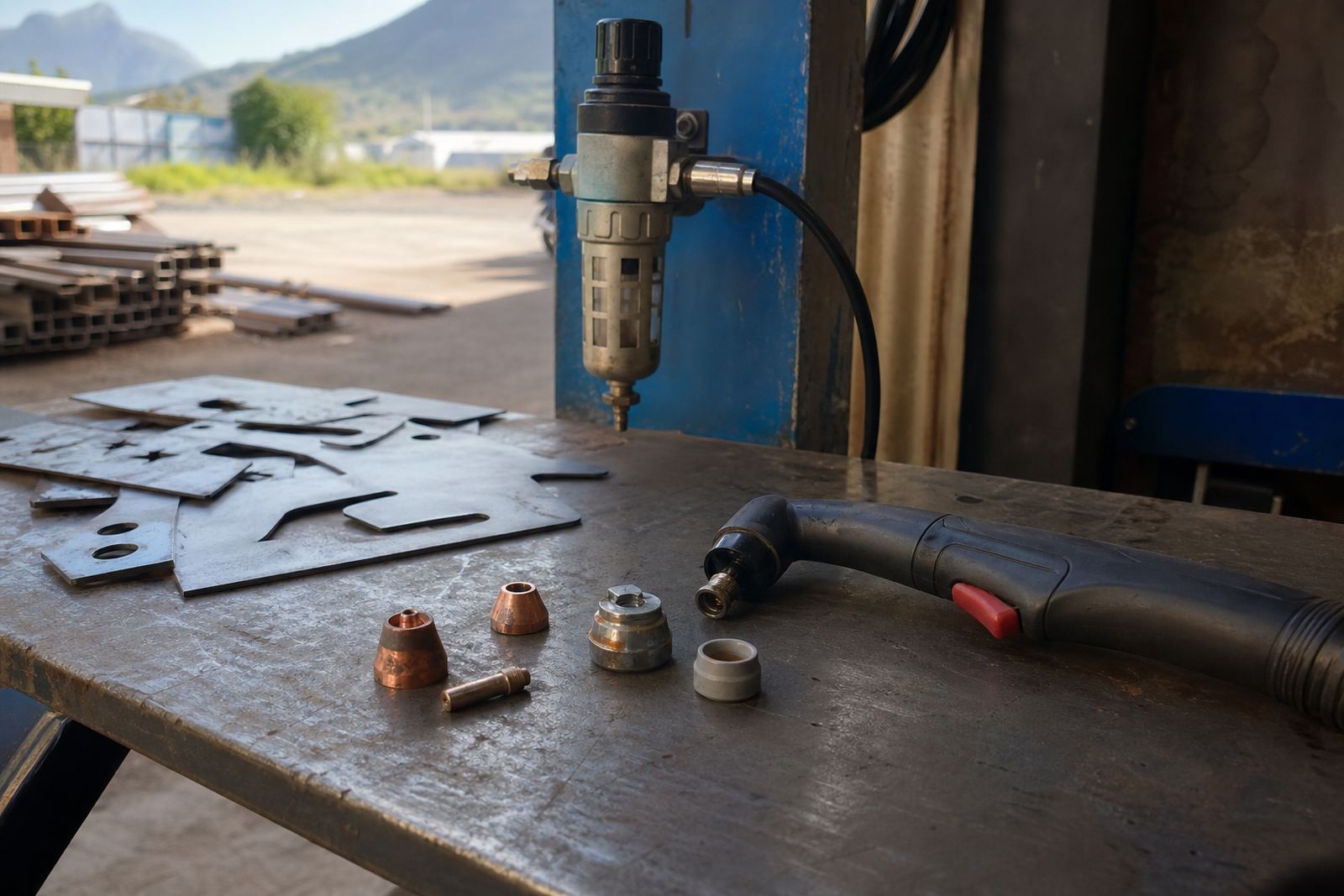
Start with the torch end
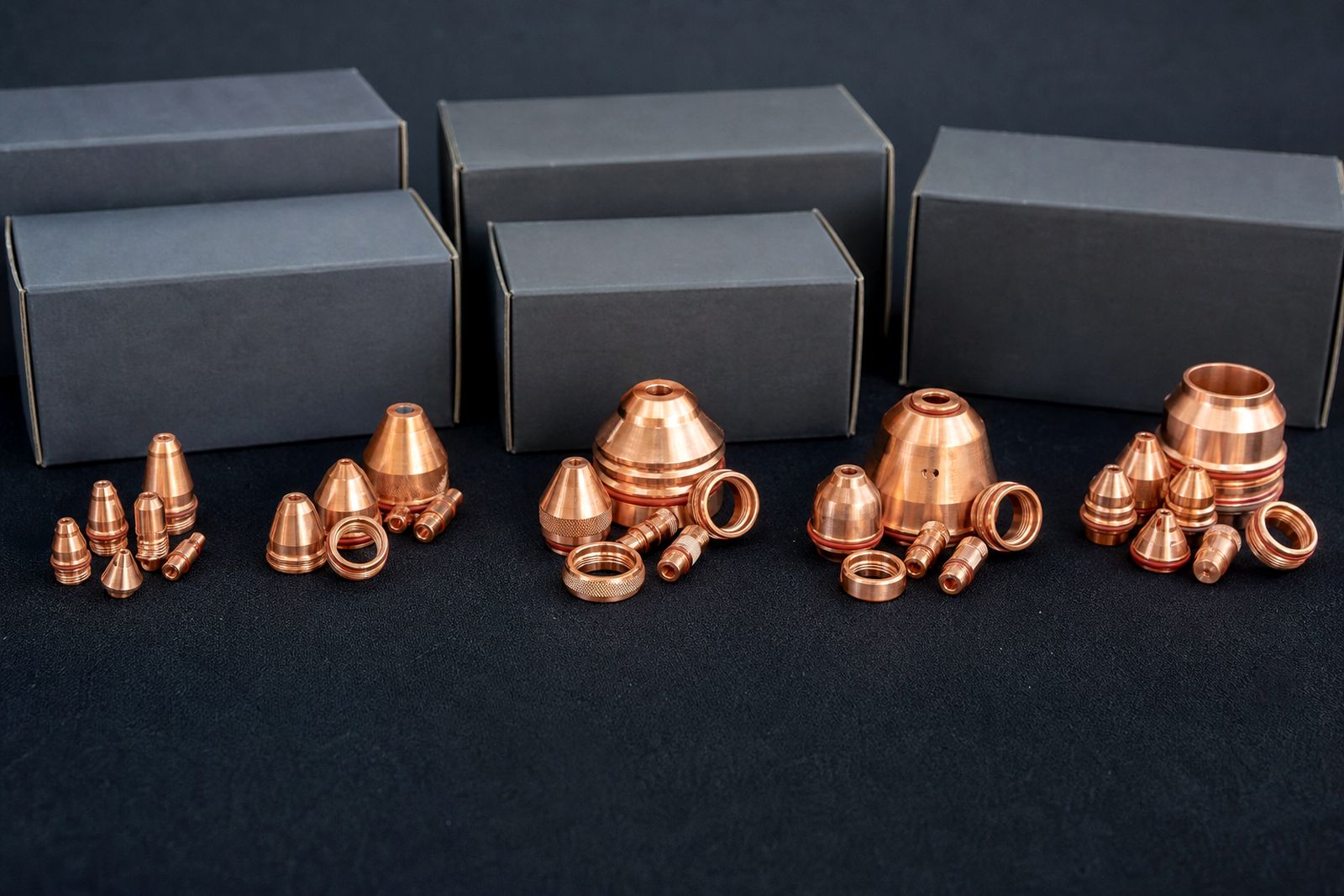
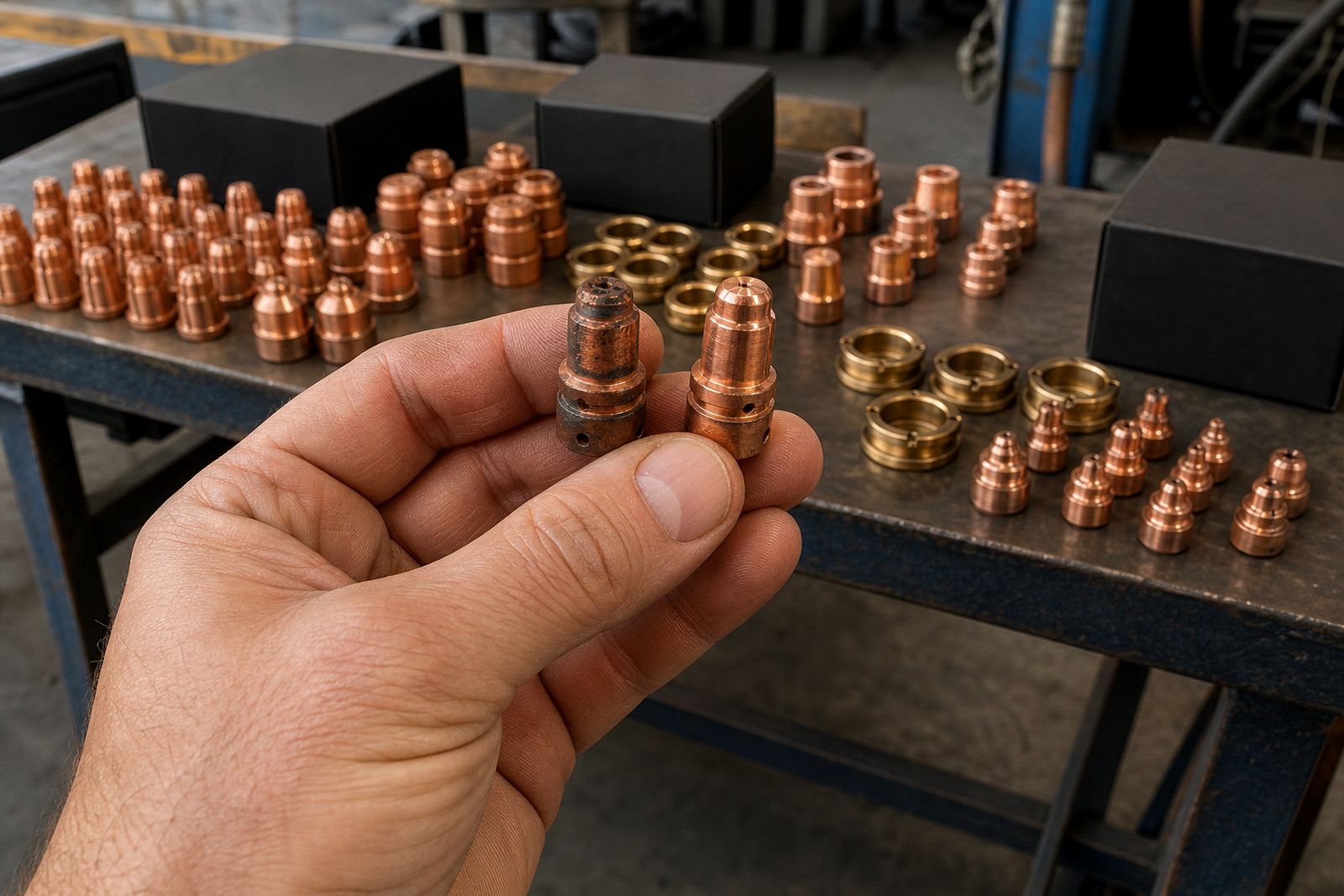
Before we power up for production, we look at the nozzle, electrode, shield and swirl ring as a set. If one part is chipped, pitted, heat marked or loose, the whole cut can suffer, so it is worth replacing the weak part before it causes damage to the rest.
We also check that the retaining cap is seating properly and that all parts match the torch series in use. A mixed set can still fit, but it often cuts poorly and wears out faster.
Clear moisture from the air line
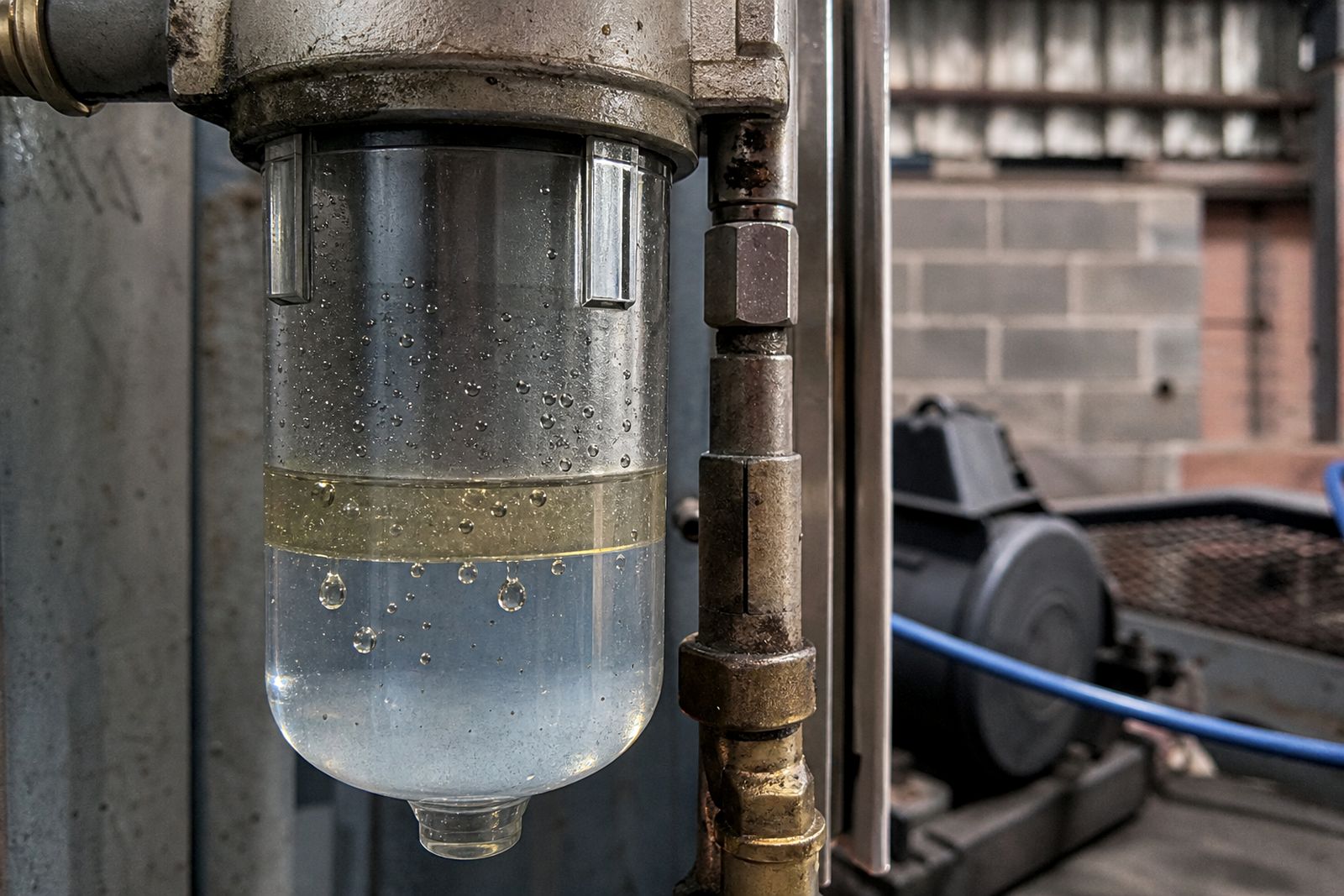
After a hot, humid break, moisture often sits in the airline and water trap. We drain the line first, then check that the compressor and filter system are delivering dry, clean air before any cutting starts.
Wet air can leave rough edges, slow starting and unstable arcs. If the first burst of air carries water, we do not ignore it. We clear the system fully and let the torch see only dry air for the first cuts of the month.
Do a test cut on scrap
We never start January production on good material. A short test cut on scrap shows us if the arc starts cleanly, if the cut face is square and if dross is building up on the underside.
- Check for a smooth arc start.
- Watch the cut edge for bevel or heavy slag.
- Listen for a steady arc, not sputtering.
- Confirm the torch is piercing cleanly.
Look for heat and wear clues
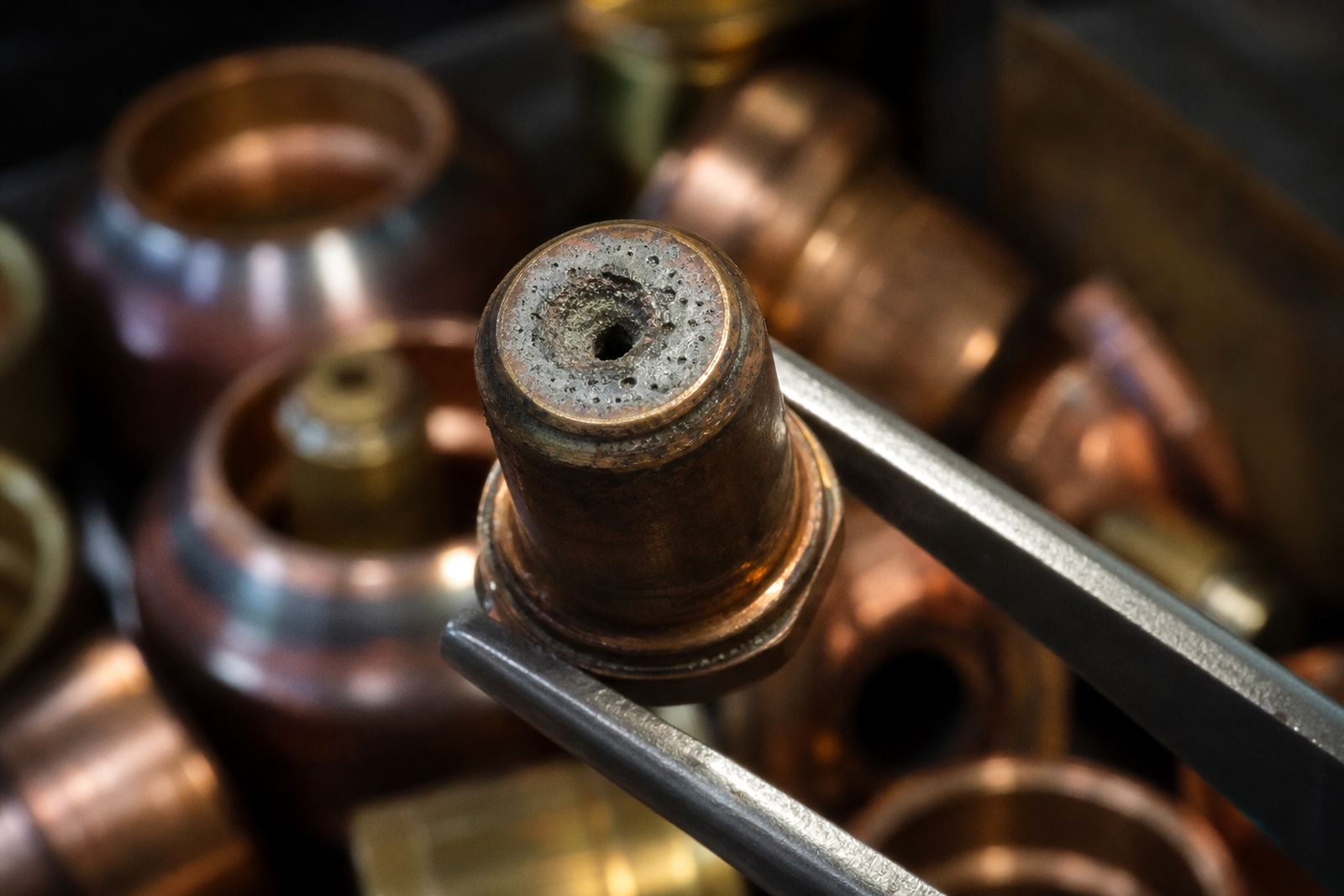
If the first cut is rough, we look at the consumables again before changing machine settings. A worn electrode can make starts inconsistent, while a damaged nozzle can widen the kerf or throw the arc off centre.
Shields and swirl rings matter too. A cracked shield or clogged swirl ring can affect gas flow, which shows up quickly on a restart cut. Small faults are easier to fix now than after a full shift of scrap.
Set up for the first production run
Once the torch passes the scrap test, we move into production with a fresh spare set close by. That keeps us moving if the first job reveals a hidden issue or the day starts heavier than expected.
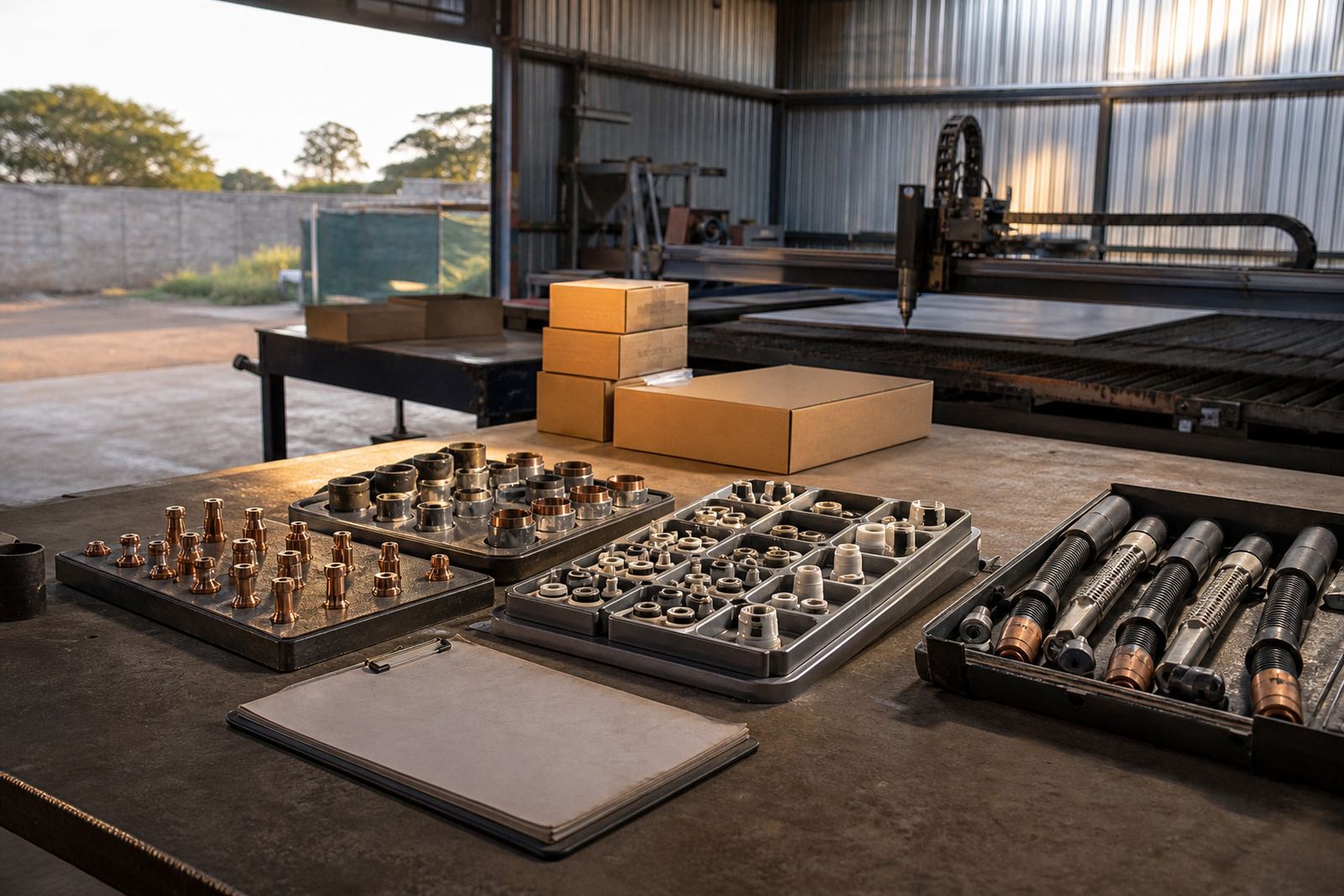
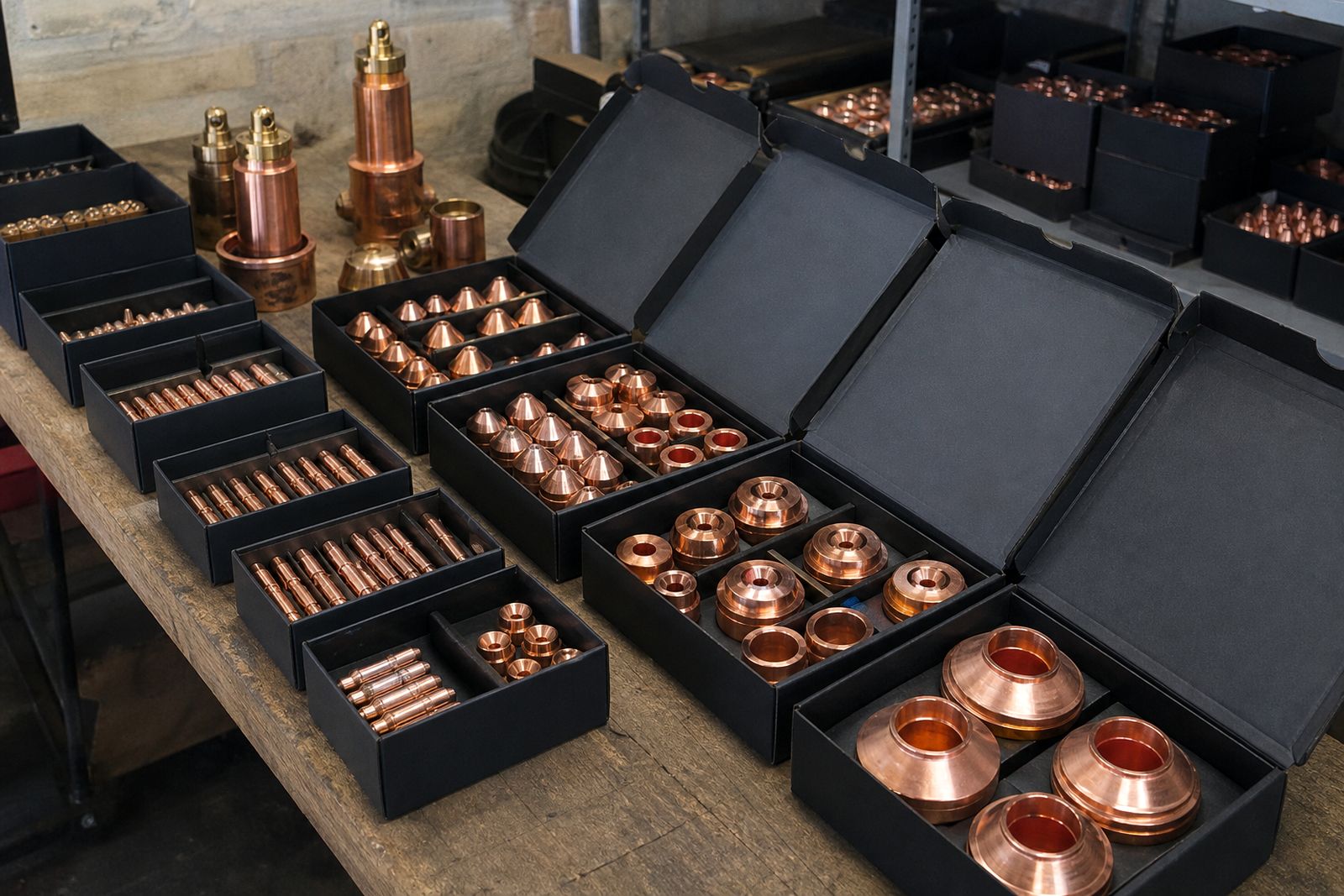
For busy cutting shops, January is a good time to stock the parts that take the most strain, especially electrodes, nozzles, shields, swirl rings and retaining caps. Having the right set on hand helps us recover quickly from holiday downtime and keep the machine earning.
Questions we get asked
Do we need to replace every consumable after the December break?
Not always. We inspect the nozzle, electrode, shield and swirl ring first, then replace anything chipped, pitted, warped or loose. A good visual check can save usable parts, but a weak part should not go back into service.
Why does the first cut in January often look rough?
Idle time can leave moisture in the air line and can also expose worn consumables that were close to the end already. A scrap test helps us separate a setup problem from a part-wear problem before we cut customer work.
What is the safest order for a restart check?
Inspect the torch parts first, drain the air line next, then make a test cut on scrap. If the cut is not clean, stop and sort the cause before going back to production.
Also worth a look
Tell us about your refill plan
Send your torch series, amperage and cutting hours through our contact form, and we will come back with a practical pack.
Open the contact form