

Consumable life guides
Plasma consumables do not wear at the same rate on every job. Normal part life, early wear signs and the difference between torch-series selection and operating issues all need to be judged from the parts and the cutting conditions.
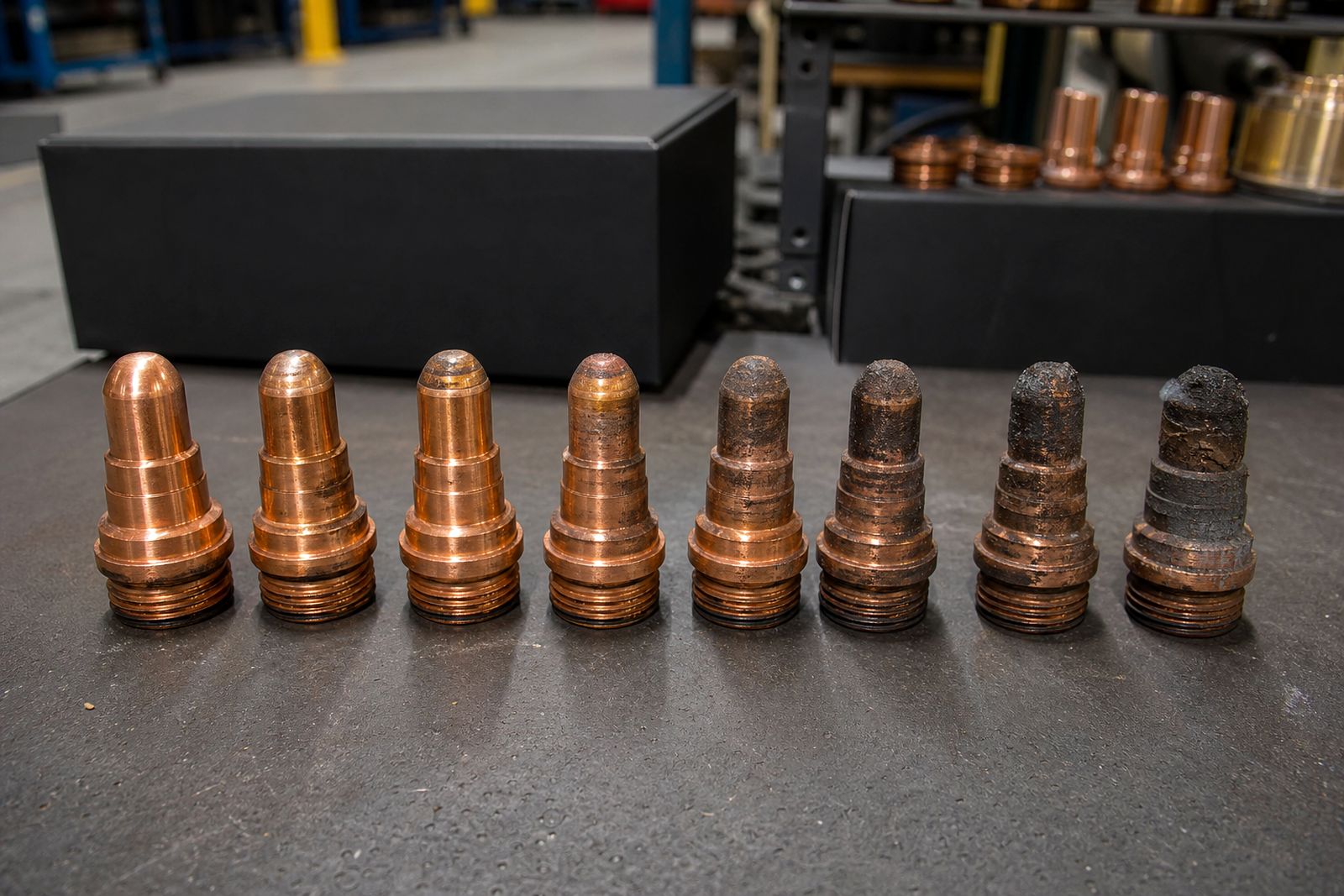
Reading wear signs and series correctly
Cutting shops usually want to know how long a set should last and why one finished too soon. We keep the advice tied to consumables only, because Plasma Consumables sells electrodes, nozzles, shields, swirl rings and retaining caps by torch series for replacement supply.
Start with the symptom you can actually see on the used part. A worn hafnium pit on the electrode points you one way. A nozzle with an oval or roughened orifice points you another way. When the wear signs are read properly it becomes easier to order the right refill quantity, whether that is a small top-up, a bulk pack, or a standing refill subscription for regular cutting work.
- Read the worn-part page when you have parts in hand and need to identify the failure pattern.
- Read the air-quality page when cut quality dropped across several sets.
- Use the torch-series pages when you need to match the correct consumable family before ordering.
Part life varies from shop to shop
Many buyers want one clean number for electrode or nozzle life, but actual usage shifts with current range, pierce height, plate condition, air quality and how often the operator interrupts the cut. Fine-cut work on thinner sheet behaves differently from heavy mechanised cutting on thicker plate. Hand torch work also tends to see more starts, stops and awkward angles which can shorten nozzle life even when current is set correctly.
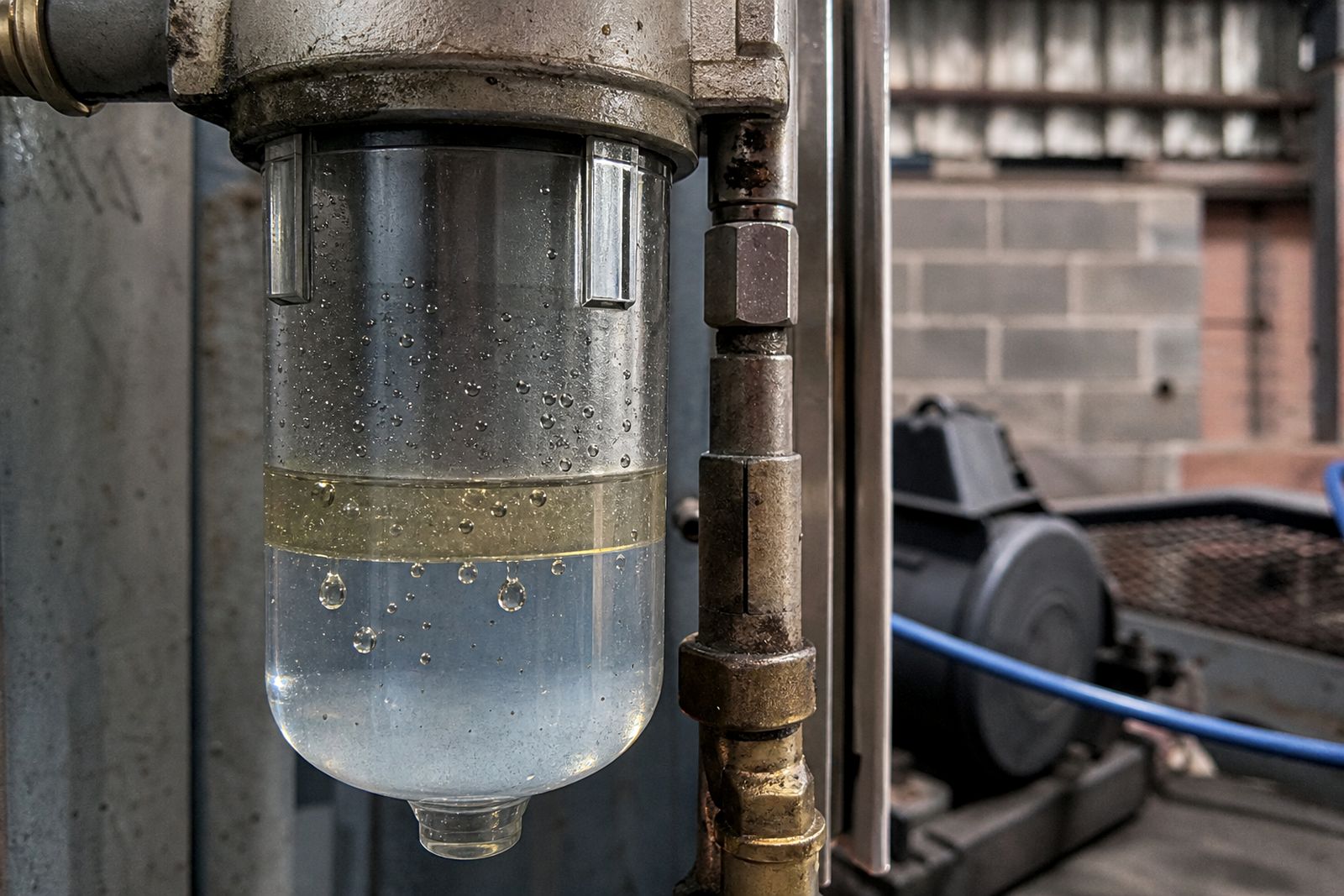
Air quality, start method and shift pattern set how long each part lasts. A part that gives acceptable life on dry clean air and steady production can fail much earlier on damp compressed air or repeated contact starts. In a busy East Rand workshop the pattern is often mixed, with one operator getting respectable life and another burning through a set on similar material. The difference usually shows on the used parts if you look closely enough.
For stock planning, it helps to think in bands rather than absolutes. If your sets normally last through a fair run of work and then suddenly drop off, the cause is often outside the part itself. If life has always been short on one torch series, the issue may be matching, handling or operating practice.
What usually shortens consumable life
Short life nearly always leaves clues. The useful part is knowing which clue matters first.
- Wet or dirty air can erode electrodes faster and disturb the arc at the nozzle orifice.
- Piercing too close to the plate throws molten metal back at the shield and nozzle.
- Running above the intended amperage range can overheat the consumable set.
- Loose assembly inside the torch can upset gas flow and damage several parts together.
- Damaged leads or poor work return can make the arc unstable, though the parts get blamed first.
- Dragging where stand-off is needed can chip the nozzle face or distort the opening.
- Mixing old and new parts in one stack sometimes gives false readings on part life.
Another common issue is stretching a set too far because the cut still looks acceptable. By the time bevel worsens and dross builds up, the nozzle may already be damaged enough to pull the next electrode down with it. That small delay often costs more than replacing the pair on time.
Electrode wear versus nozzle wear
Electrodes and nozzles work as a pair, but they do not fail in exactly the same way. Looking at them separately helps you decide whether to replace one part, the pair, or the full stack with shield and swirl ring checked at the same time.
- Electrode wear usually shows as a deepening pit at the insert. A steady, centred pit is expected. Rapid deep pitting points to heat, air quality or overuse.
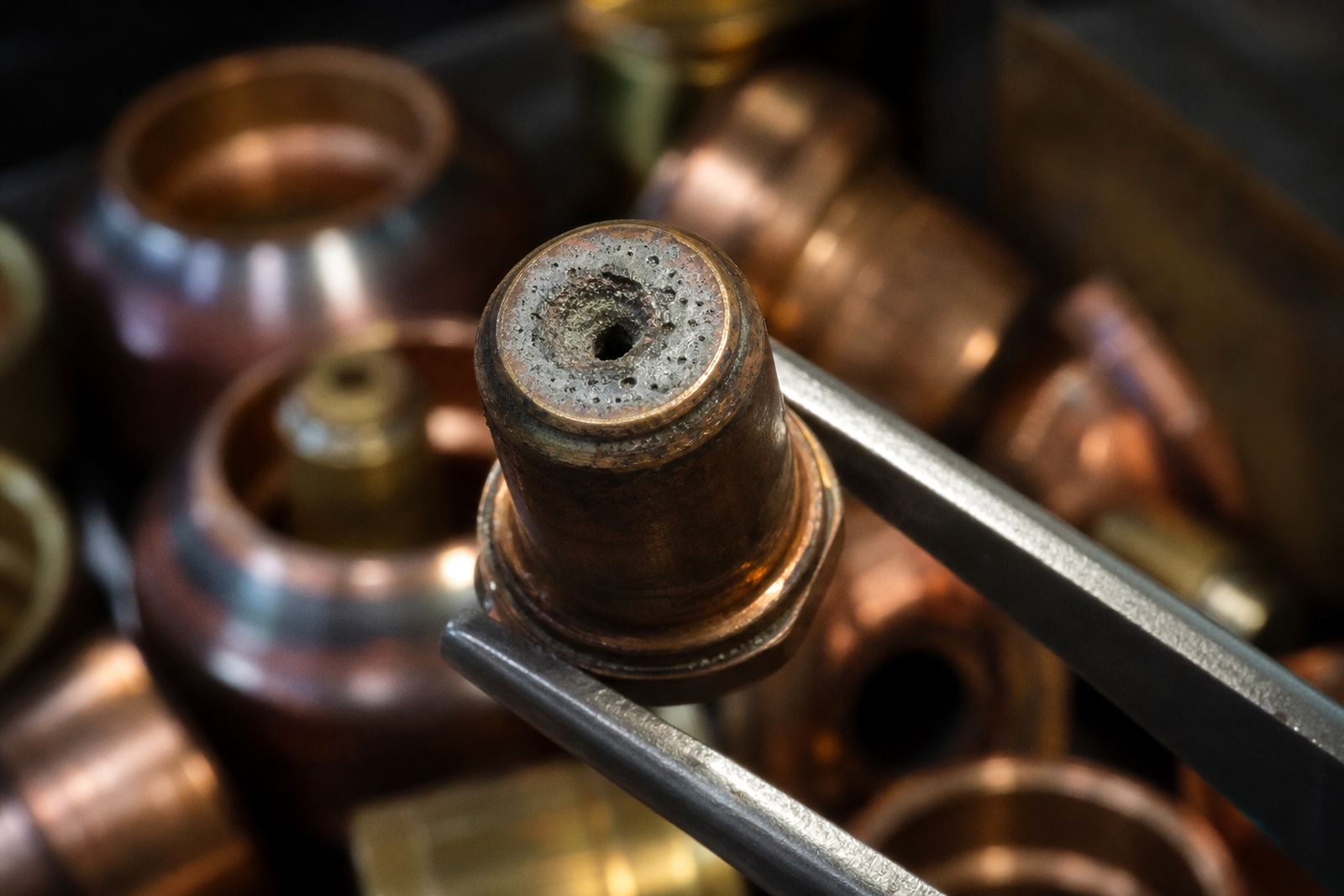
- Nozzle wear usually shows at the orifice. A round clean opening is normal. An oval, nicked or burred opening affects cut squareness and kerf width.
- If both parts fail early together, look at air supply and pierce practice before blaming stock.
- If the nozzle deforms while the electrode still looks moderate, plate spatter or contact with the work is often involved.
Deeper electrode signs and air-quality faults can be checked against the worn parts and the cutting conditions. Used together, those checks make it easier to judge whether the next order should focus on electrodes and nozzles only or include the related torch parts as well.
Matching wear patterns to your job mix
Separate the problem by current band and application before you compare part life, especially if your shop runs more than one torch series. A 30 to 45 A hand torch used for light fabrication has very different wear expectations from a 200 A mechanised torch on heavy plate. Fine-cut and marking setups also need their own reading because small orifices are less forgiving.
Choose the next read by matching the wear pattern on the floor to the part number on the packet.
- Mostly hand cutting on lighter material: check the wear page first, then compare your habits around stand-off and starts.
- Mechanised cutting with life dropping across shifts: check air quality and assembly consistency first.
- Fine-cut detail work with edge quality falling off: inspect the nozzle opening and shield condition together.
- Mixed workshop with frequent top-up orders: bulk packs or a refill subscription may suit your usage better.
Turning wear patterns into better stock decisions
Once you know how your parts are wearing, stock planning gets easier. Shops that run steady volumes on one series often keep bulk packs of the fast-moving electrode and nozzle combinations, while slower lines may hold smaller quantities of shields, swirl rings and retaining caps. Keep the right parts moving through the torches you actually use.
Plasma Consumables dispatches from Kempton Park to every province and also handles collections from the trade counter. If your cutting team burns through one series every week but touches another only now and then, a refill subscription can level out the routine items while one-off purchases cover the less common parts. It is a practical split, and it cuts down those Friday-afternoon surprises when the wrong bin is full and the right one is empty.
For matching by torch family, use the torch-series options or parts by type. If you need help narrowing the correct series before ordering, use our contact form with the torch series and the parts you are replacing.
Questions we get asked
Do you give one expected life figure for every electrode and nozzle?
Part life changes with amperage, material, pierce practice, air quality and whether the torch is hand held or mechanised. Read the wear pattern before settling on an expected number.
Should I replace only the nozzle if the cut gets rough?
A deep pit in the electrode will chew through a fresh nozzle within a few starts. If the electrode pit is already deep, replacing the nozzle alone can shorten the life of the new part. Check the electrode, nozzle and the rest of the stack together before deciding.
Can I buy consumables directly?
Orders go through torch-series options, parts by type, bulk packs or the refill subscription, then through our contact form with your list.
Tell us about the job
Send sizes, materials and where you are through our contact form, and we will come back with the practical options.
Open the contact form