
M3 series: 105 to 125 A machine torches
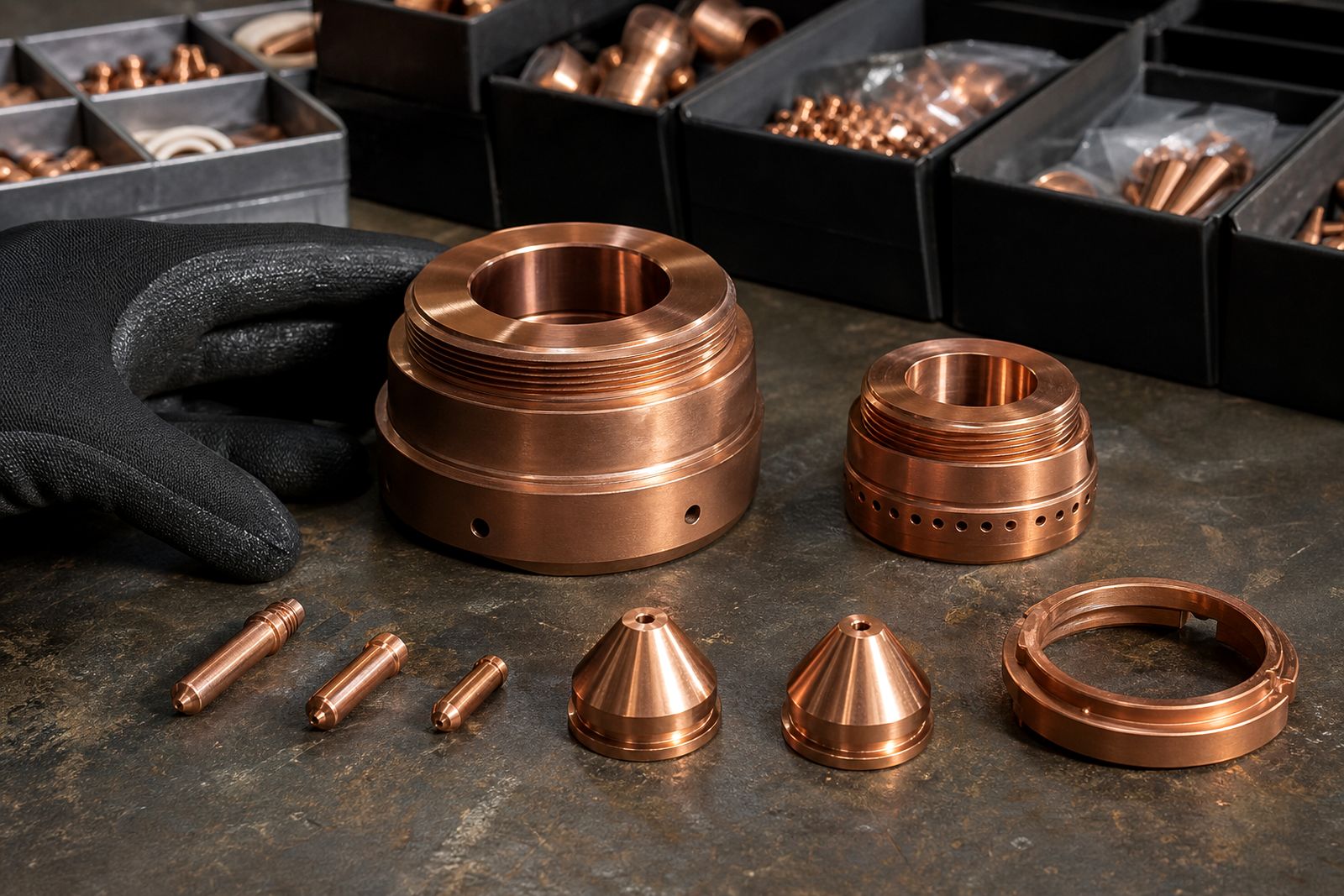
M3 series consumables cover 105 to 125 A machine torches used on CNC cutting work where pierce height, air quality and arc stability matter. We stock the wear parts by torch series so workshops can match electrodes, nozzles and shielding parts without mixing ranges.
Built for higher-amperage machine cutting
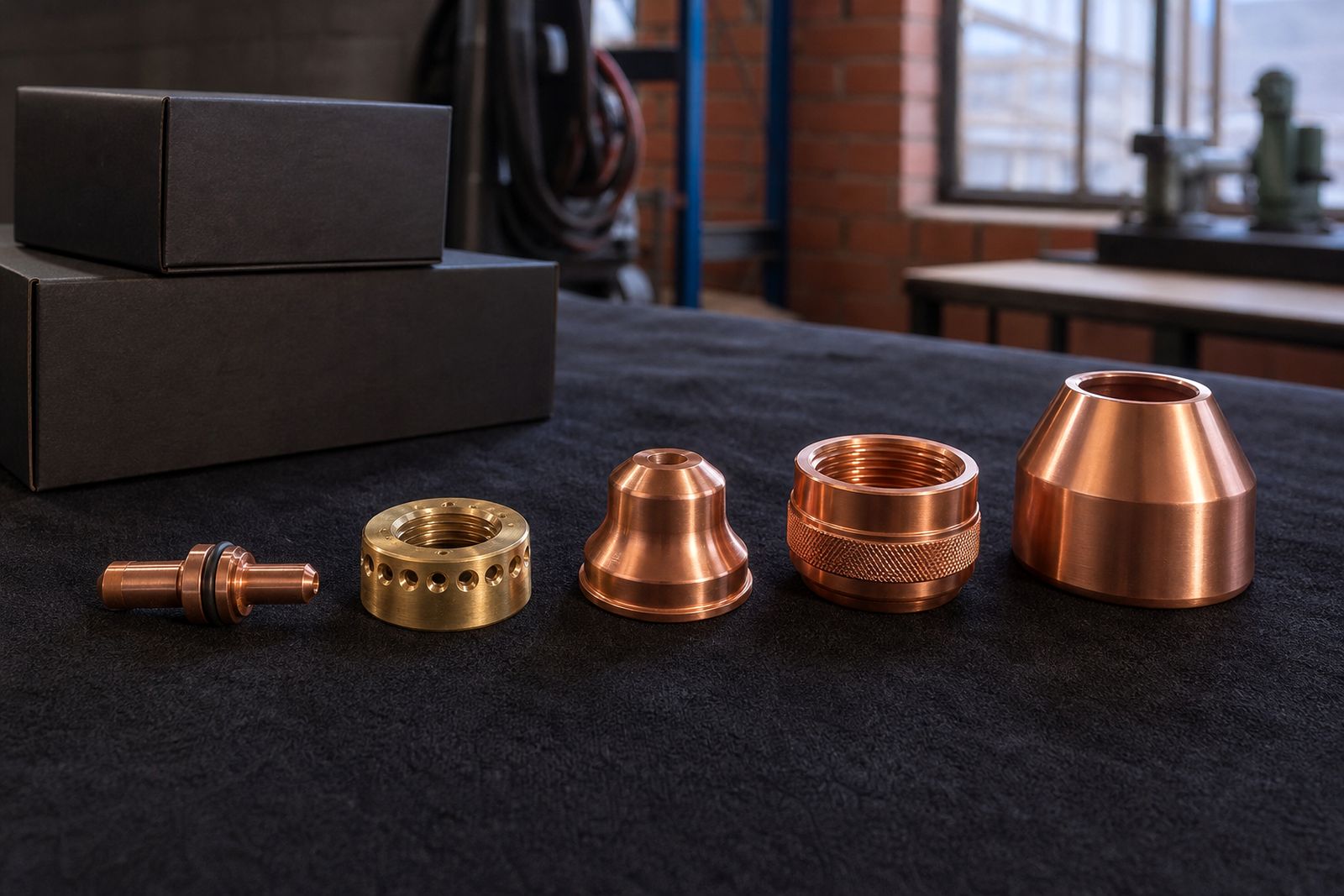
The M3 range is for mechanised torch setups running in the 105 to 125 A band, usually on plate work that needs steadier output than lighter torch series can give. In practical shop use this range sits comfortably on mild steel jobs up to about 25 mm, with cleaner edge quality on thinner material when the consumable set, pierce routine and air supply are kept in line.
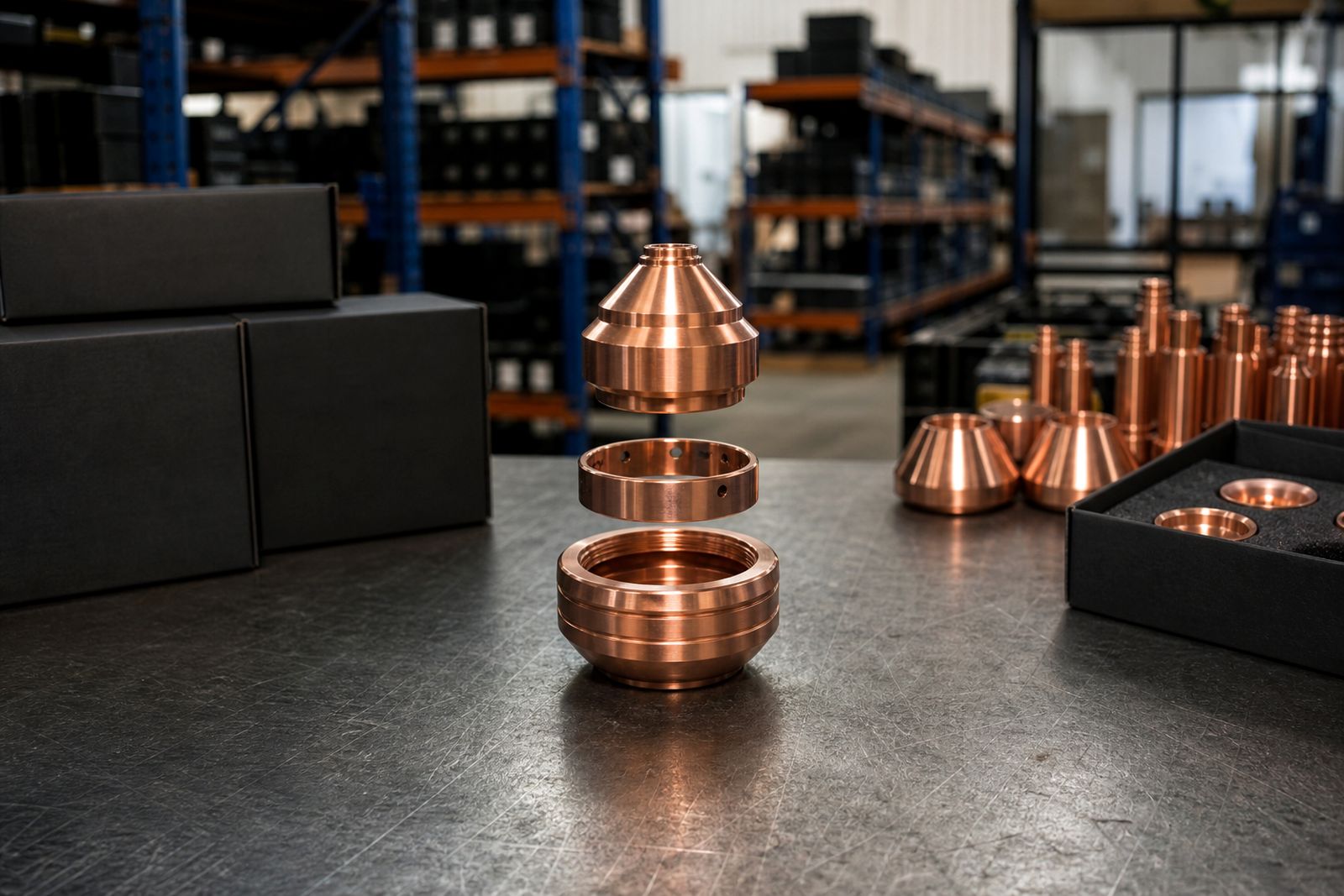
These parts are sold by torch series only. That matters on machine torches because the electrode, nozzle, shield, swirl ring and retaining cap work as a set. Mixing a nozzle from one series with a swirl ring from another often gives a poor arc column, harder starts and premature wear. If your current parts basket has mixed items in it we can help you sort the set properly.
- Typical use: CNC plasma tables and straight-line mechanised cutting.
- Normal amperage band: 105 A, 125 A and settings between those points where the torch series allows it.
- Common materials: mild steel, stainless steel and aluminium within the process limits of the table and power source.
- Best fit: regular production work where cut quality and part consistency matter over long runs.
Consumable options and working limits
M3 stock is arranged around the main wear components for this torch class. The exact part choice depends on amperage, material thickness, cut speed and whether you are prioritising edge finish, nozzle life or pierce performance. On machine torches, fit the nozzle that matches the job. On thinner plate, the highest-amperage nozzle can widen the kerf and make dross control harder than it needs to be.
As a general guide, 105 A sets are often chosen for mid-range plate where operators want a stable cut without pushing the torch flat out. The 125 A set is more at home on heavier plate and longer production nests, provided the machine motion and air quality are up to standard. Fine detail cutting below the normal range of this series is usually better handled by a fine-cut torch family instead of forcing M3 onto work outside its intended range.
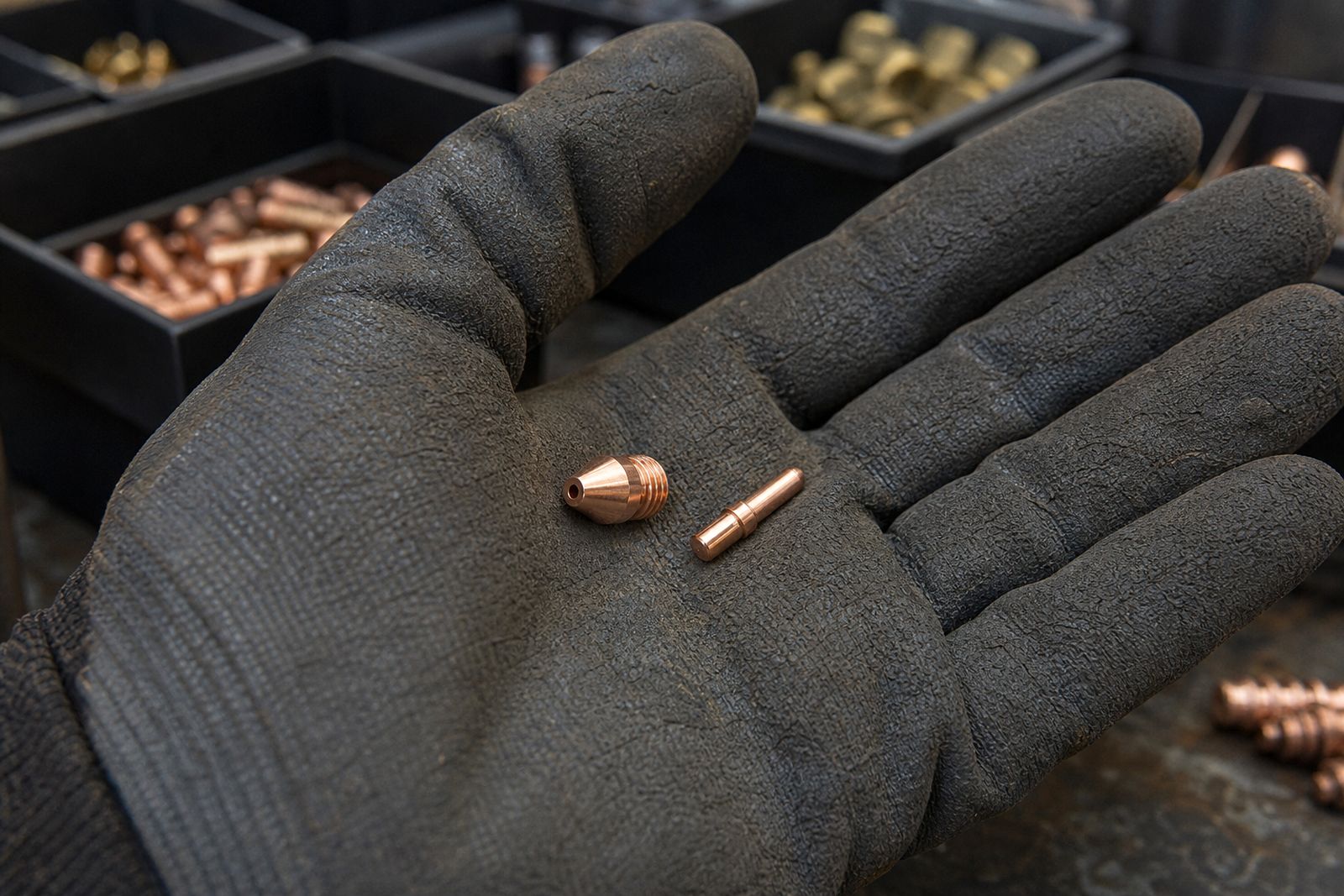
- Electrodes: selected to match the nozzle rating and the torch series.
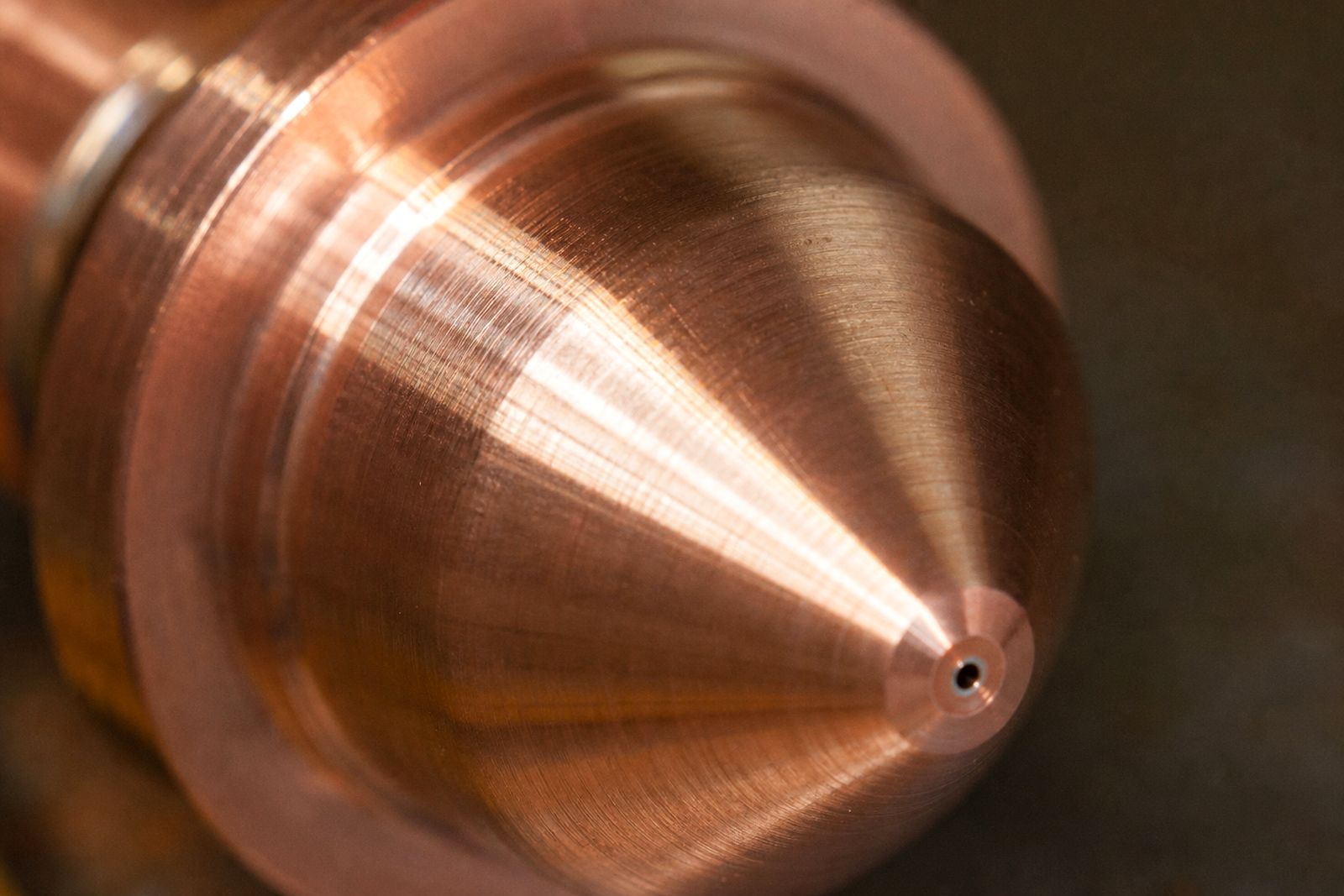
- Nozzles: 105 A and 125 A options, with the correct orifice for that rating.
- Shields: machine-cut shields for stand-off control and arc protection.
- Swirl rings: matched gas-flow control parts that should be replaced when damaged or heat-marked.
- Retaining caps: series-matched retaining components to keep alignment correct.
Where M3 suits the floor and where it does not
This series suits fabrication shops cutting brackets, base plates, gussets, flanges and structural components in repeat batches. It also fits contract cutting rooms where the machine spends most of the day on plate thicker than what a lighter torch range handles comfortably. In Gauteng workshops that run long shifts, M3 is often the point where consumable discipline starts paying back in very obvious rand terms.
M3 earns its place on medium to heavier plate and regular production work. Jobs focused on light sheet, very small holes, marking or decorative fine detail usually call for a smaller torch family. Cut quality issues from worn torch leads, unstable air pressure, poor table grounding or incorrect height control still need to be corrected at source. Consumables do their best work when the rest of the process is in shape.
- Suited to: production cutting on medium to heavier plate, nested parts, repetitive industrial jobs.
- Less suited to: fine-cut profiles, light sheet emphasis, marking work and hand-held torch use.
- Not intended for: repairs to machines, power units or torch bodies, as we supply consumables only.
Installation points that affect part life
Machine-torch consumables are small parts but they react quickly to poor installation habits. Before fitting a new set, the torch front end should be clean and free of spatter, dust and thread damage. The operator should seat the electrode and nozzle correctly, inspect the swirl ring for cracks or heat distortion, and tighten the retaining parts evenly. Over-tightening is as unhelpful as leaving the stack loose.
Compressed air quality has a direct effect on this series. Oil carry-over, moisture and pressure fluctuation will shorten nozzle and electrode life, sometimes very fast. Around Kempton Park and the wider East Rand, winter mornings can expose water issues in air lines that looked acceptable in warmer weather. If parts are wearing out too quickly, air treatment and pressure consistency are worth checking before blaming the consumables.
- Use clean, dry compressed air with stable pressure at the machine.
- Confirm pierce height, cut height and delay settings against the material thickness.
- Keep the torch body and threads clean before each consumable change.
- Replace damaged swirl rings and shields rather than reusing doubtful parts.
Daily care and signs a set is near the end
M3 consumables normally give their best value when they are changed as a group at the right point, not stretched until cut quality collapses. A nozzle with an enlarged or out-of-round orifice can wander off centre even if the electrode still looks passable. Likewise an electrode that has worn too far will make starts less reliable and can damage the nozzle you hoped to save. A quick inspection routine at shift change usually prevents that kind of waste.
Operators should watch for harder arc starting, heavier bottom dross, bevel drift, excessive top spatter and a change in cut sound. Those symptoms show that the torch front end needs attention. Storing spare consumables in clean labelled packs helps too, especially on busy tables where different amperage sets may be used in the same week.
Details to send with your enquiry
When you ask for M3 parts through our contact form, include the torch series, amperage used most often and the part type you need. If the workshop keeps old packets or sample parts on hand, matching from those details reduces the chance of ordering the wrong set. We can also put together bulk packs for shops that run the same machine torch range most days and want fewer stock-outs between courier drops or trade counter collections.
Useful information includes your usual material thickness, whether the work is mostly mild steel or mixed metals, and which wear item is being replaced most often. That last point often points to a setting or air issue rather than a stock problem, and it helps us guide the pack contents properly. Stocked lines dispatch from our Kempton Park counter.
- Torch series confirmation: M3.
- Amperage used: 105 A or 125 A, or both.
- Parts needed: electrodes, nozzles, shields, swirl rings or retaining caps.
- Main material and thickness range.
- Whether you need singles, bulk packs or a refill subscription.
What our Plasma Consumables customers say
Verified Google reviews
Questions we get asked
Can I use M3 parts on a hand torch?
M3 parts fit machine torches in the M3 series. Match the consumables to both the torch series and the torch type.
Will M3 suit thin sheet work?
It can cut thinner material, though this series usually suits medium plate and production work better than very fine detail or light-sheet production. A lighter or fine-cut torch series is often a better fit.
Do you sell torch bodies, plasma machines or repairs?
Plasma Consumables sells plasma consumables only, by torch series. We do not sell machines, tables, power units or repair services.
Also worth a look
Tell us about your refill plan
Send your torch series, amperage and cutting hours through our contact form, and we will come back with a practical pack.
Open the contact form